



SCANDAL: Police Explorer Programs
Law enforcement Explorer programs were created to mentor teens interested in policing. But decades of weak oversight created an environment where officers could manipulate that trust. Some exploited their roles, using their authority to groom, abuse, and silence the very teens they were entrusted to guide.




Listened to this episode? Let us know what you think here.
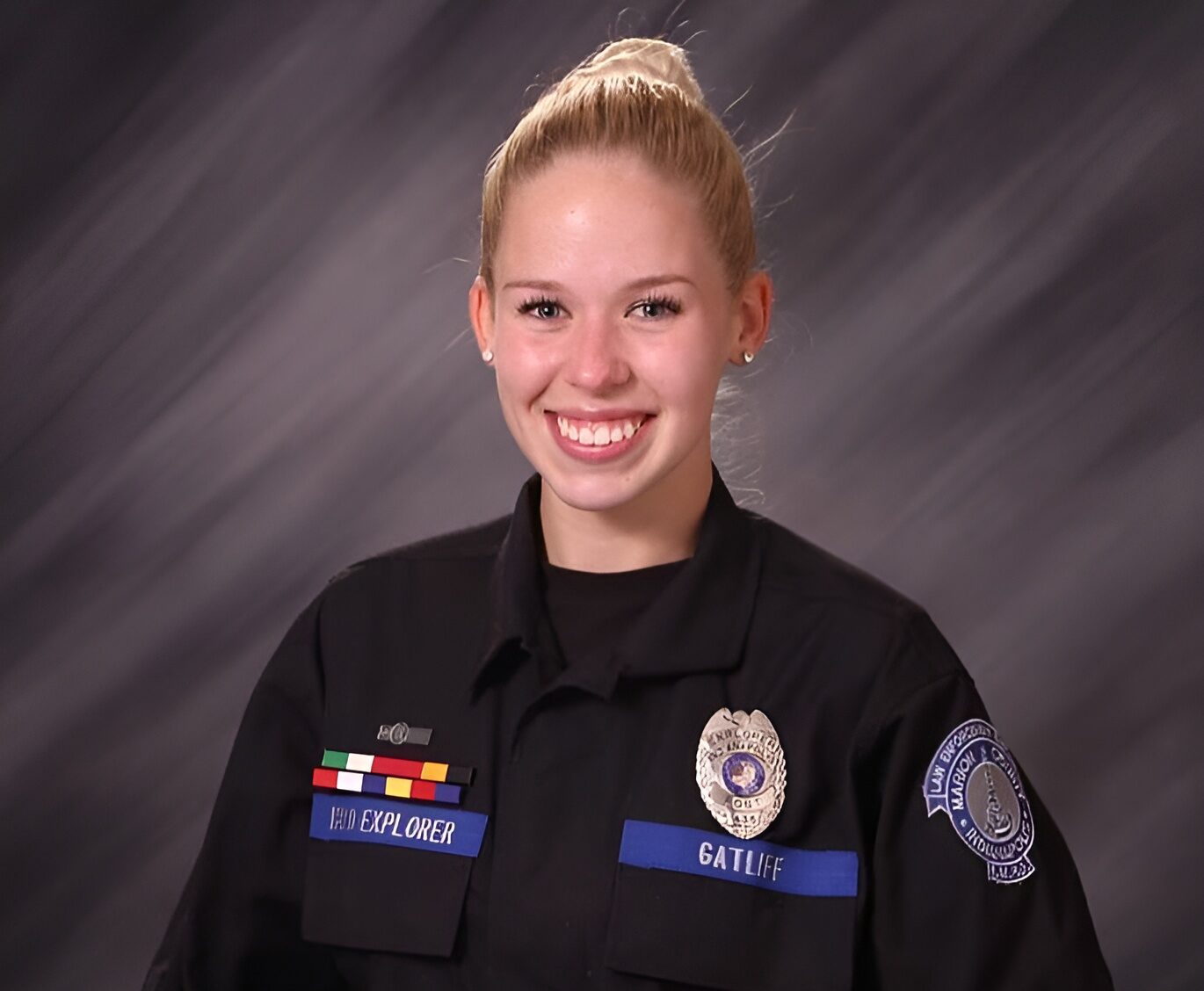
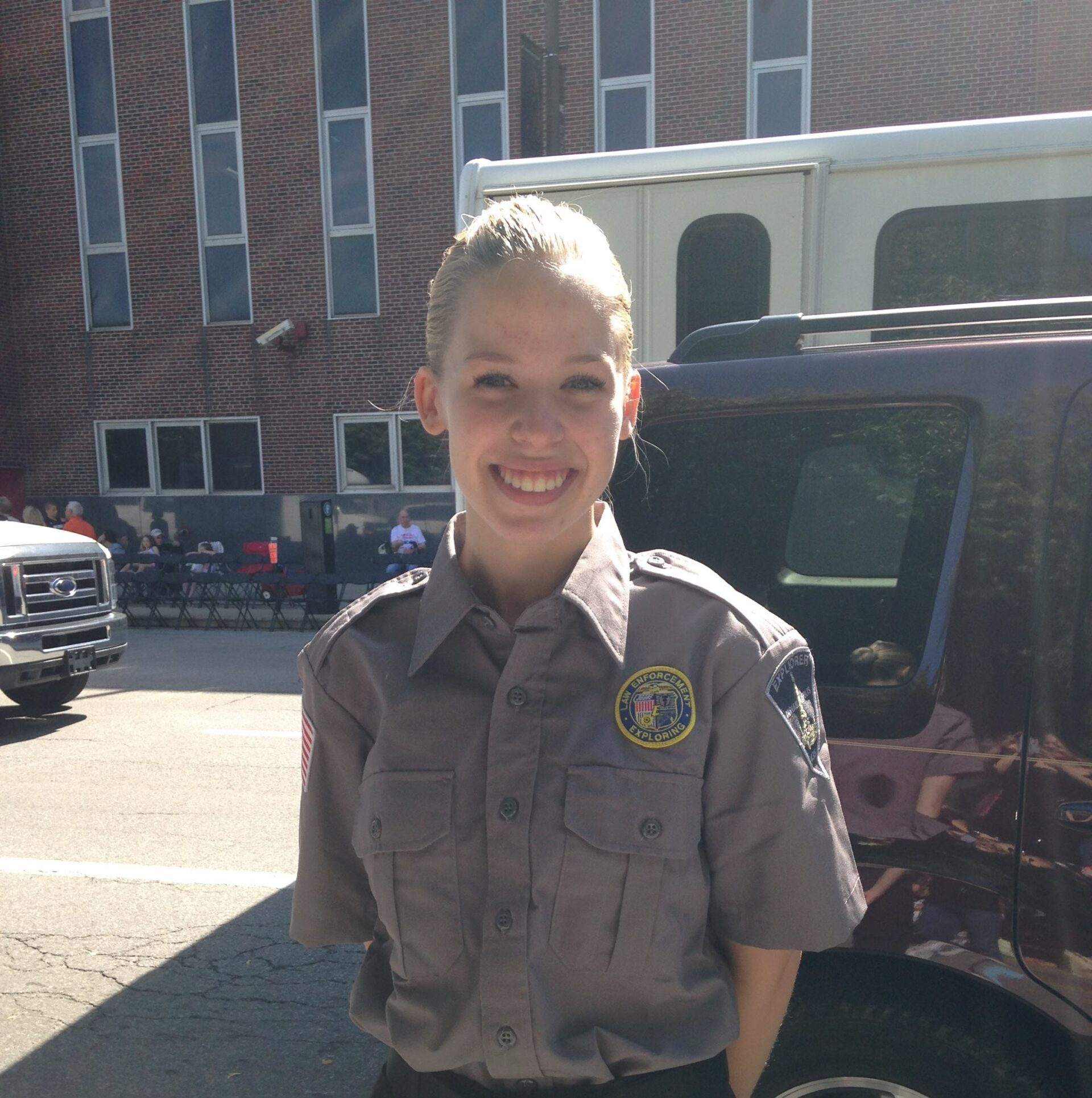
Heidi Gatliff
Courtesy: Gatliff Family

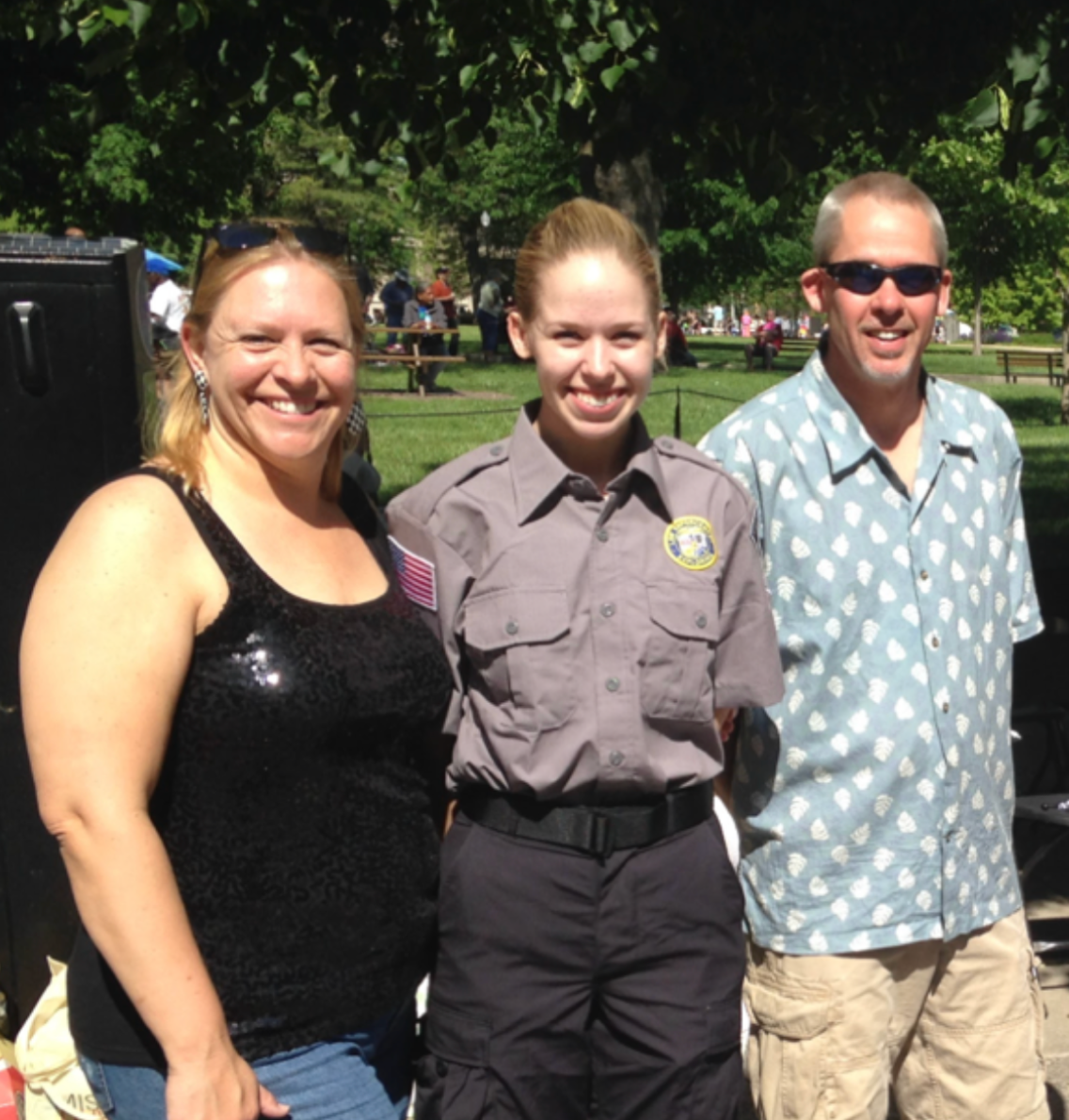
The Gatliff Family. From right to left: Janice, Heidi, and Mike Gatliff
Courtesy: Gatliff Family
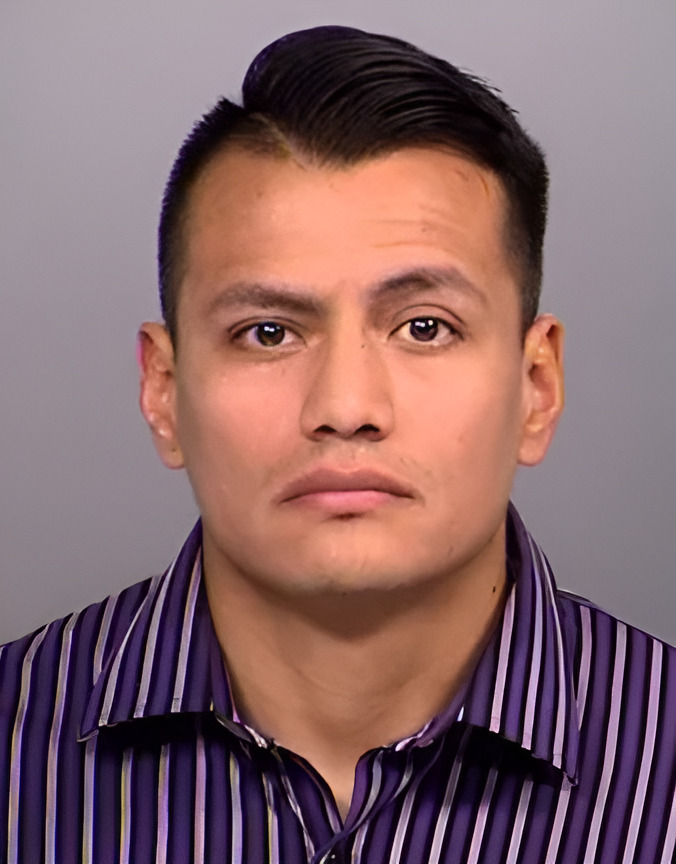
Francisco “Paco” Olmos
Credit: Indianapolis Metropolitan Police Department
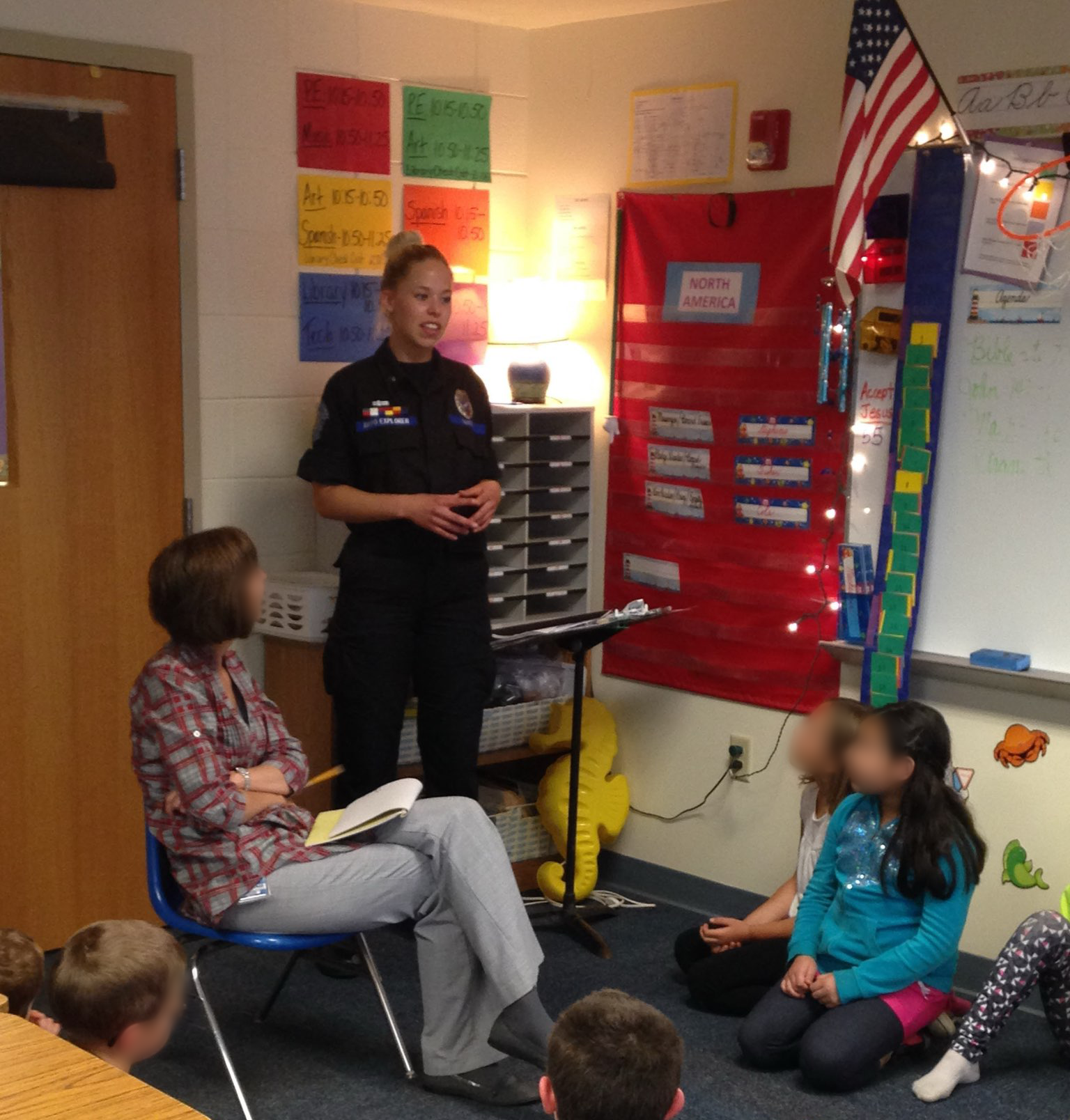
Heidi visiting and speaking to a classroom.
Courtesy: Gatliff Family
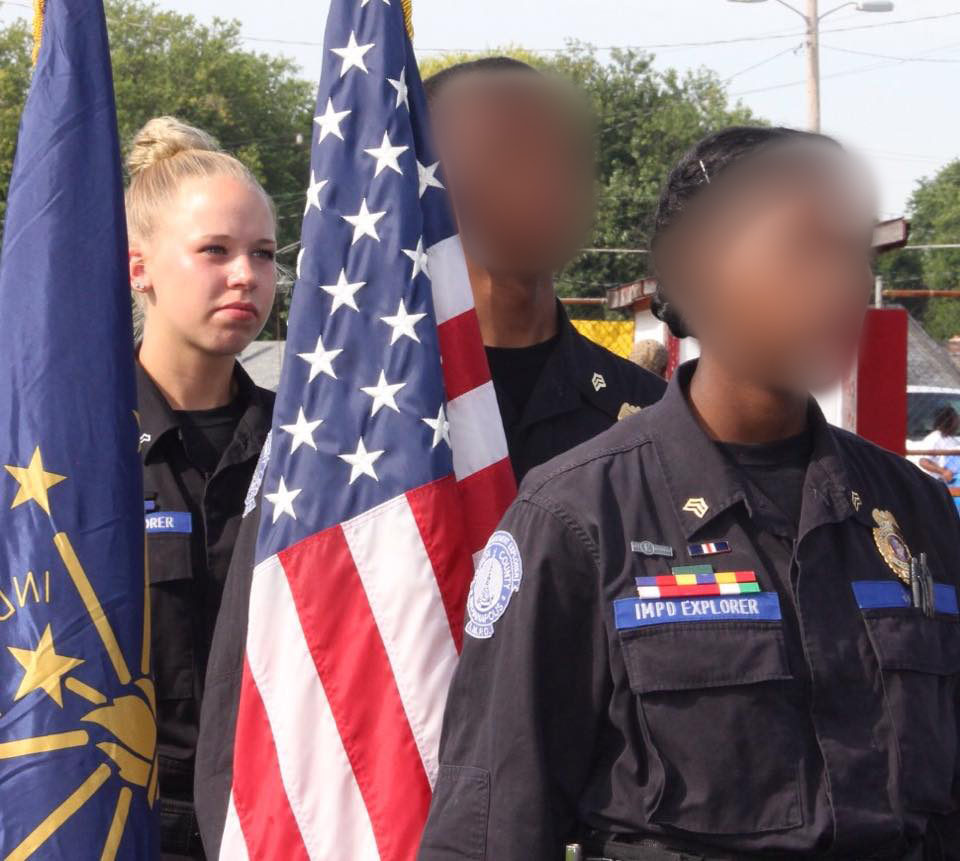
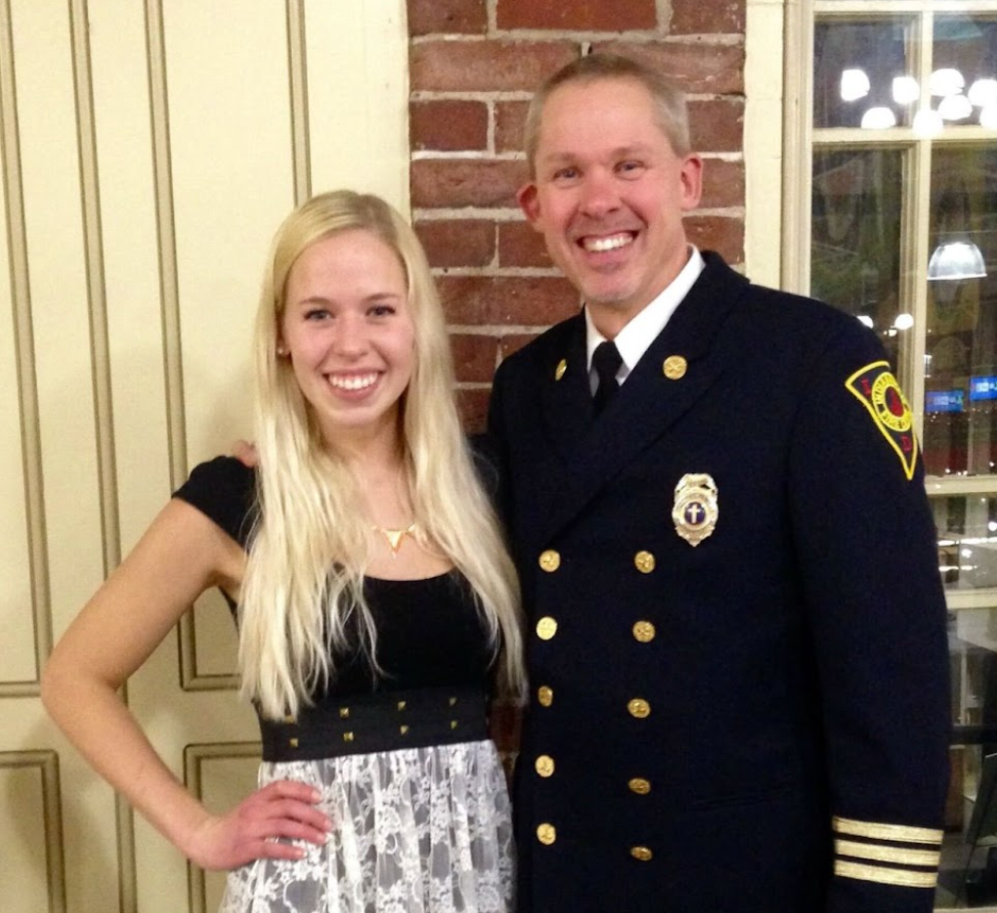
Heidi and her father, Mike
Courtesy: Gatliff Family

Janice and her daughter Heidi
Courtesy: Gatliff Family
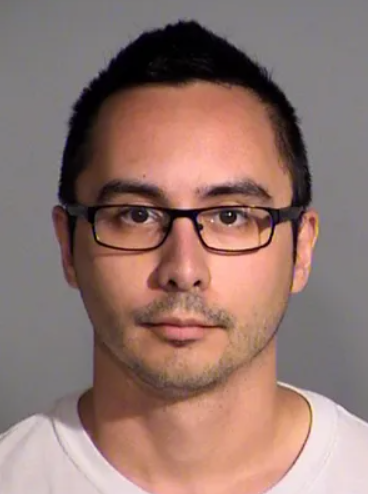
Daniel Bullman
Credit: Indianapolis Metropolitan Police Department

Heidi and her friend Corbin Myers
Courtesy: Corbin Myers

Peggy Hettrick
Courtesy: Tom Hettrick
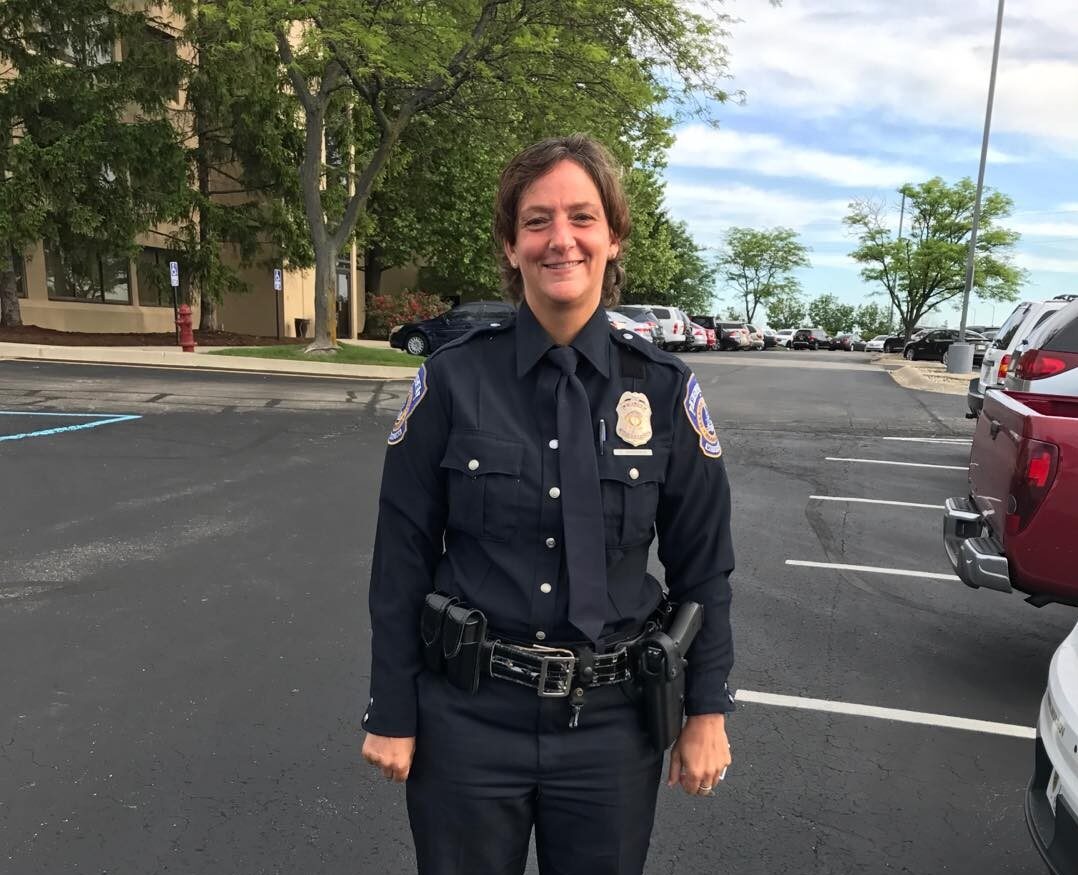
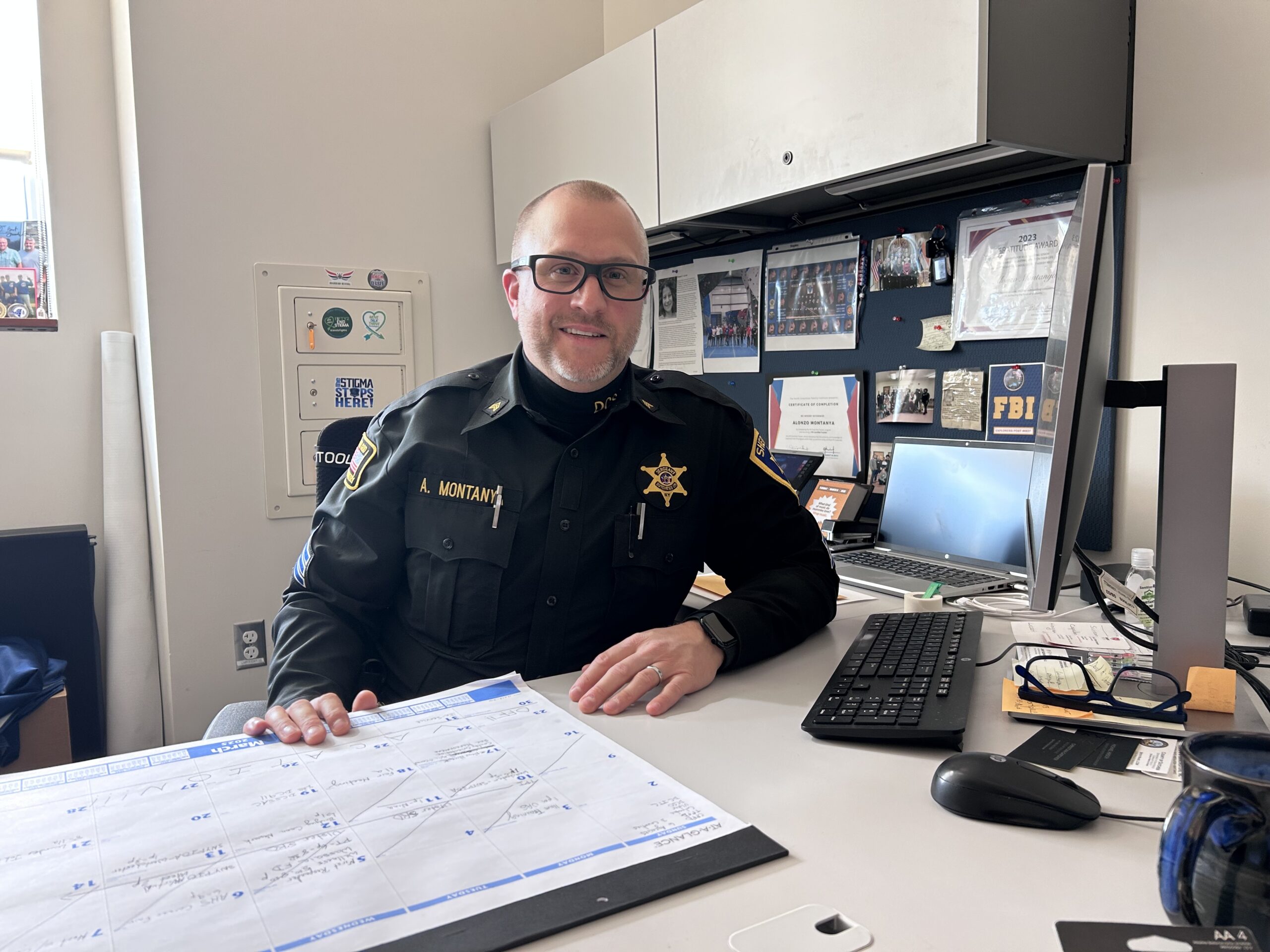
Sergeant Alonzo Montanya
Credit: Audiochuck Staff

Heidi Gatliff’s Timeline:
An Indianapolis Metropolitan Police Department official privately warns Janice Gatliff that her daughter, Heidi, has been riding too often with a single officer and urges her to rotate among others.
4:41 p.m.: Mike Gatliff finds his 18-year-old daughter, Heidi, dead in their home minutes after IMPD Officer Francisco “Paco” Olmos arrives unannounced.
During interviews, Francisco admits he lied about needing to discuss a case with Heidi. He acknowledges frequent, direct contact with Heidi – including ride-alongs – and describes an emotional phone call from her hours before she died.
IMPD Officer Daniel Bullman becomes close with Heidi’s family, assisting with funeral arrangements and providing steady emotional support to Janice.
Daniel is arrested on more than a dozen domestic-violence-related charges involving his wife and children. He posts bond and is released on electronic monitoring while awaiting trial.
Francisco is arrested on felony obstruction and computer-trespass charges after investigators determine he wiped data from Heidi’s phone during the death investigation.
Daniel goes to trial and is found guilty on eight of 13 domestic-violence counts.
A judge grants Daniel’s request for home detention. He is released on electronic monitoring after serving less than four months in prison.
During a deposition in Francisco’s case, prosecutors question Daniel about his text exchanges with Heidi. His attorney stops the questioning to avoid possible new charges.
Francisco pleads guilty to a reduced misdemeanor obstruction charge. He receives probation, community service, and weekly journal assignments. Daniel completes his home-detention term.
Kate’s Timeline:
Fifteen-year-old Kate joins the Boscawen Police Explorer program in New Hampshire, led by Officer John LaRoche.
During ride-alongs, LaRoche develops an inappropriate relationship with Kate.
Kate reports that LaRoche initiated unwanted physical contact at a secluded location while on patrol with him for the Explorer program.
More than a decade later, Kate reports LaRoche to authorities. Investigators convince her to wear a wire; during a confrontation, LaRoche admits to sexual activity with her when she was a teen.
LaRoche is arrested for aggravated felonious sexual assault and resigns as police chief.
At trial, LaRoche admits to sexual contact but claims it was consensual. Prosecutors argue it was grooming and coercion of a minor Explorer. After two hours of deliberation, a jury finds him not guilty on all charges.
Jennifer’s Timeline:
Fifteen-year-old Jennifer joins the Contra Costa County Sheriff’s Explorer program in California. Her advisor is a deputy known as “Bill.”
During an off-site Explorer meeting, Bill takes Jennifer to his home and pressures her to engage in sexual activity. She refuses.
Before moving to Florida, Jennifer confides in another Explorer who reports the situation. The sheriff’s office opens an investigation but interviews only Jennifer by phone. No further action is taken.
Bill steps down as an Explorer advisor but remains employed by the sheriff’s office for nearly two more decades.
After relocating, Jennifer joins a new Explorer post in Florida. She encounters similar boundary-crossing behavior from male officers – reinforcing a pattern of unchecked misconduct across Explorer programs.
Indianapolis, Indiana
Home to Heidi Gatliff, her family, IMPD, and the Explorer post where both Officer Francisco Olmos and Advisor Daniel Bullman interacted with her.
Boscawen, New Hampshire
The town where Kate joined the local police Explorer post under Officer John LaRoche, later reporting that he groomed and assaulted her.
Canterbury, New Hampshire
The town where LaRoche later becomes police chief and where Kate confronts him wearing a wire at the station.
Contra Costa County, California
The county where Jennifer participated in a sheriff’s Explorer post and was groomed by her advisor during the late 1980s.
Wisconsin
The state where Dawn Boley had a positive Explorer experience in the early 1980s. She described her Explorer post as positive, structured, and supportive.
Florida
The state Jennifer moved to after leaving California, joining another Explorer post, where boundary-crossing behavior from officers also occurred.
Episode Information:
Staying Safe in Youth Law Enforcement Programs:
If you or your child is involved in a Police Explorer program – or any youth mentorship run by law enforcement – there are steps you can take to reduce risk and create safer boundaries.
- Ask direct questions. Who runs the program? What are the policies around texting, ride-alongs, and one-on-one interactions? Are there rules that limit contact between adult officers and minors outside of scheduled events?
- Insist on transparency. Reputable programs should have clear, written guidelines about communication, supervision, and conduct. Ask to see them.
- Monitor ride-alongs. Know who your child is riding with, how long they’re gone, and what the reporting procedures are.
- Watch the tech. Officers or advisors should never be Snapchatting, DMing, or texting minors privately. Monitor app usage and discuss healthy boundaries.
- Get involved. Show up to meetings. Get to know the adults running the program. Your presence as a parent or guardian helps make the space safer for everyone.
- Keep communication open. Let your child know they can talk to you about anything — especially if something makes them uncomfortable. Make it clear that they won’t be in trouble for speaking up.
Getting Help:
If you or someone you know has experienced abuse in a Police Explorer or similar youth program, here’s what to do:
- Believe them. If a child or teen discloses abuse, believe what they say. Stay calm, listen, and affirm that it’s not their fault. Praise them for coming forward.
- Report it. If the child is in danger, call 911. Otherwise, contact your local police, sheriff’s department, or state child protection agency. If you’re concerned local police might have a conflict of interest, contact your state police, state attorney general, or the FBI.
- Document/preserve everything. Save messages, screenshots, call logs — anything that could help support the report.
- Seek emotional support: Abuse by a trusted adult is incredibly disorienting. You and/or your child deserve compassionate care from someone trained in trauma — like a therapist, school counselor, or crisis line advocate.
- Connect with survivor resources. Many organizations offer specialized support for young people.
- Consult legal counsel: Some survivors explore civil legal action against individuals or institutions. An attorney familiar with institutional abuse cases can help assess your options.
Red Flags: Signs of Grooming or Abuse in Explorer Programs:
Abuse by authority figures often begins with grooming — a gradual, often-subtle process that builds trust before violating it. Here are common warning signs in youth law enforcement programs:
- “Special” treatment. One teen is singled out for attention, gifts, mentorship, or exclusive opportunities not given to others.
- Excessive one-on-one contact. Repeated private ride-alongs, late-night messages, or invitations to hang out off-duty.
- Private communication. The adult uses personal texting apps, Snapchat, Instagram DMs, or other unmonitored channels to talk to a minor.
- Overstepping/blurring boundaries. Inappropriate compliments, jokes about relationships, or sharing personal details not appropriate for a mentor-mentee dynamic.
- Isolation. The adult discourages the teen from talking to others about their relationship or makes the teen feel responsible for their secrecy.
- Gaslighting or guilt. The adult blames the teen for misunderstandings, manipulates their emotions, or makes them feel they’ll “ruin someone’s life” if they speak out.
- Physical contact. Touch that’s unnecessary, prolonged, or makes the teen uncomfortable – even if it’s framed as casual or accidental.
Resources:
- RAINN – Rape, Abuse & Incest National Network: 24/7 hotline and resources for survivors of sexual assault and abuse. Call 1-800-656-HOPE (4673) or visit rainn.org
- National Sexual Violence Resource Center (NSVRC): Research, education, and tools to support prevention and survivor recovery. Visit nsvrc.org
- Joyful Heart Foundation: Works to transform the response to sexual assault, domestic violence, and child abuse, while supporting healing and survivor advocacy. Visit joyfulheartfoundation.org
- Childhelp National Child Abuse Hotline: Confidential support for anyone concerned about child abuse. Call 1-800-4-A-CHILD (1-800-422-4453) or visit childhelphotline.org
- VictimConnect Resource Center: Provides free, confidential support and referrals for people affected by crime, including sexual abuse and misconduct by authority figures. Call 1-855-4-VICTIM (855-484-2846) or visit victimconnect.org
- National Child Traumatic Stress Network (NCTSN): Expert guidance, therapist locators, and educational tools for families navigating trauma and abuse. Visit nctsn.org
- Bloom365: Youth-focused organization working to end teen dating abuse, sexual violence, and trauma through prevention, peer advocacy, and healing services. Call or text the Bloom helpline at 1-888-606-HOPE (4673) or visit bloom365.org
- CDC – Child Sexual Abuse Prevention: Evidence-based strategies and data about child sexual abuse in the U.S. Visit cdc.gov/violenceprevention/childsexualabuse
- State Child Abuse and Neglect Reporting Numbers: Directory to report child abuse to agencies. Visit childwelfare.gov/state-child-abuse-and-neglect-reporting-numbers
- 988 Suicide & Crisis Lifeline: Provides 24/7, free and confidential support for people in distress, prevention and crisis resources. Call 988 or visit 988lifeline.org
- Crisis Text Line: 24/7 mental health support via text. Text “HOME” to 741741 or visit crisistextline.org
- National Domestic Violence Hotline: Support for those experiencing abuse or coercive control. Call 1-800-799-SAFE (7233), text “START” to 88788, or visit thehotline.org
- Love is Respect: Help for teens and young adults in abusive relationships.
Call 1-866-331-9474, text “LOVEIS” to 22522, or visit loveisrespect.org - National Center for Victims of Crime: Provides advocacy, legal information, and trauma-informed resources for survivors of sexual abuse, harassment, and exploitation. Visit victimsofcrime.org
- Male Survivor: Support for male survivors of sexual abuse and assault, including institutional or authority-based abuse. Visit malesurvivor.org
We’d love to speak with you and see how we can support.
If you’re a law enforcement agency or family member of one of the people we mentioned in this episode, or if you’re looking for more coverage on a case, please reach out. You can email us at:
Episode Source Material
- Original reporting by Nina Schutzman
- Marion County Superior Court records
- New Hampshire Attorney General records
- Valley News (8-24-1976, by Arnie Friedman) Accessed via newspapers.com 11-17-2025
- LAPD sex scandal
- The Los Angeles Times (9-14-1976, by William Farr) Accessed via newspapers.com 11-17-2025
- Only three in LAPD sex case now face felonies
- Associated Press (3-28-1982) Accessed via newspapers.com 11-18-2025
- Sex investigation in LAPD concerns cops and scouts
- Houston Press (11-30-2011, by Jonathan Kaminsky) Accessed 3-20-2025
- Hands-On Experience
- WMUR (6-27-2016, by Heather Hamel) Accessed 7-15-2025
- Former police chief accused of assault testifies relationship was consensual
- Indianapolis Star (9-27-2018, by Mark Alesia) Accessed 3-10-2025
- IMPD officer gets eight years in prison for domestic violence
- Indianapolis Star (4-14-2022, by Johnny Magdaleno) Accessed 3-10-2025
- IMPD officer tied to teen’s suicide ordered to write weekly journal in rare sentence
- Washington Post (6-12-2024, by Jessica Contrera, Jenn Abelson, John D. Harden, Hayden Godfrey and Nate Jones) Accessed 5-10-2025
- Abused by the badge
- The Marshall Project (9-3-2025, by Lakeidra Chavis) Accessed 10-1-2025
- In Police Youth Program, Abuse Often Starts When Officers Are Alone With Teens in Cars
- Police Sexual Abuse of Teenage Girls: A 2003 Update on “Driving While Female”
- Police Professionalism Initiative
- University of Nebraska at Omaha Department of Criminal Justice
- Samuel Walker and Dawn Irlbeck, June 2003
- BSA National Annual Meeting PowerPoint – May 20-22, 2015
- Learningforlife.org/lawenforcement
- Safety First – Learning for Life Guidelines (2015)
- Safety First – Learning for Life Guidelines (2025)
- Exploring Guidebook (2015)
- Exploring Guidebook (2017)
Suggested Episodes
MURDERED: Sandra Birchmore
In 2021, 23-year-old Sandra Birchmore was found dead in her apartment. And what Massachusetts investigators quickly called a suicide slowly revealed itself to be something much more sinister.
MURDERED: Patrick Shunn & Monique Patenaude
When a couple from Oso, Washington, is discovered missing, it doesn’t take long for detectives to develop a prime suspect. But solving the case, finding their bodies and capturing the killer took approximately 100 days, using a combination of old-school investigative methods and modern forensic tools.
MURDERED: Linda Sherman
In 1985, 27-year-old Linda Sherman vanished – just as she was making plans to leave her tumultuous marriage. For five long years, her family had no answers — until a human skull appeared beneath a restaurant window near a St. Louis, Missouri-area airport — where her husband was a regular. Decades later, Linda’s daughter is still searching for the truth about what really happened.
Join our Fan Club to listen ad-free!
Unlock ad-free listening for this episode & hundreds of episodes across the Audiochuck network.
Join the Fan Club now for early access, exclusive content, & more!